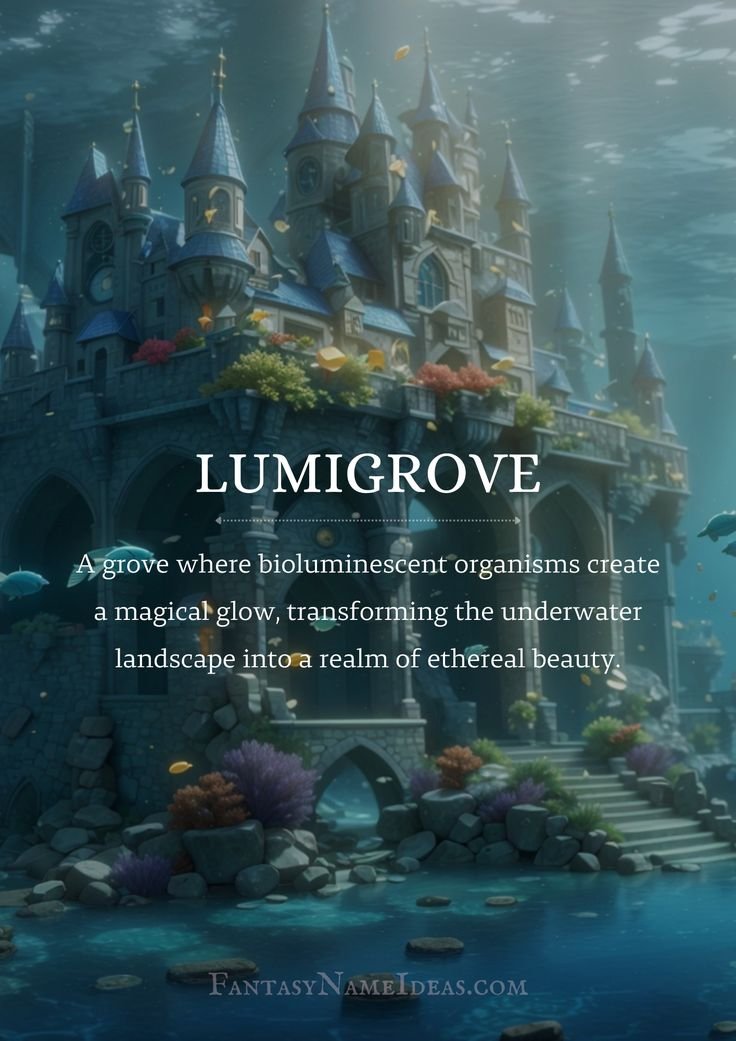
Embarking on the epic journey of world-building, few elements anchor your setting as firmly as a well-chosen name. Specifically, understanding Fantasy Race-Specific Kingdom Naming Conventions doesn't just provide a label for a place; it breathes life into its culture, history, and very essence. A thoughtfully crafted kingdom name acts as a subtle shorthand, instantly conveying whether you're dealing with a gleaming elven realm, a dour dwarven stronghold, or a sprawling human empire.
This isn't merely an exercise in creative whimsy. It's strategic world-building, ensuring that every corner of your fantasy world feels authentic and deeply rooted.
At a Glance: Crafting Potent Kingdom Names
- Culture First: Kingdom names stem directly from the underlying race's language, values, and history.
- Sound & Flow: The phonetics should match the kingdom's character – musical for elves, sturdy for dwarves, harsh for orcs.
- Meaning Matters: Names often carry symbolic weight, reflecting geographical features, historical events, or cultural ideals.
- Balance Familiarity & Exoticism: Blend recognizable elements with unique fantasy twists for memorability.
- Tools & Techniques: Utilize generators, linguistic roots, and literary inspirations to spark creativity.
- Avoid Pitfalls: Steer clear of overcomplication, inconsistency, or reliance on clichés.
Why Kingdom Names Echo Beyond Mere Labels
A kingdom's name is its first impression, a sonic signature that resonates long before any map is unfurled or story is told. It's a foundational piece of your world-building puzzle, providing immediate context and hinting at the people, traditions, and conflicts nestled within its borders. Imagine the stark difference between "The Sunstone Empire" and "The Gutterfang Clanlands"—each name instantly evokes a distinct landscape, political structure, and even moral alignment.
These names become cornerstones for deeper kingdom lore, informing everything from heraldry to political alliances. They don't just identify a location; they tell a story, reflecting the triumphs, tragedies, and enduring spirit of its inhabitants. When players or readers encounter these names, they should feel a connection, an intuitive understanding of what kind of realm they're stepping into.
The Linguistic Roots: How Race Shapes a Kingdom's Name
Just as individuals of a certain race bear names reflective of their heritage, so too do their collective realms. The very sounds, rhythms, and meanings embedded in racial languages subtly, yet powerfully, manifest in the names of their kingdoms, cities, and significant landmarks. This isn't about generic fantasy; it's about giving each race a distinct voice, even in the very fabric of their geography.
Let's delve into how various fantasy races imprint their identity onto their sovereign territories.
Elven Kingdoms: Whispers of Ancient Harmony
Elves, often portrayed as ancient, wise, and deeply connected to nature or arcane magic, naturally favor names that mirror these traits. Their individual names are typically musical, flowing, and vowel-rich, with soft consonants and elegant suffixes. This aesthetic extends seamlessly to their kingdoms.
Think of names that sound like poetry, light on the tongue and rich with imagery. Elven kingdom names often feature:
- Melodious Vowel Combinations:
Ae,ei,ia,oë, lending a lyrical quality. - Gentle Consonants:
L,R,N,S,Th,M, creating smooth transitions. - Nature-Inspired Elements: References to forests, stars, rivers, light, or ancient trees (e.g., 'Silva' for forest, 'Astra' for star, 'Lumen' for light).
- Suffixes Evoking Grandeur or Place:
-iel,-ion,-eth,-wyn,-thal,-dor.
Examples: - Eldoria: Suggests 'ancient' or 'elder,' combined with a flowing, regal sound.
- Aethelgard: A blend of 'noble' (Aethel) and 'guard/realm' (Gard), evoking protective grace.
- Sylvanaar: A clear nod to forests (Sylva) with an elegant Elven suffix, signifying a sylvan kingdom.
- Caelendril: Suggests 'sky' or 'heavenly' (Cael) with a classic Elven ending.
- Silverwood: A more direct, yet still elegant, nature-inspired name.
When naming an elven kingdom, imagine words spoken with reverence, echoing through ancient glades or shimmering crystal cities.
Dwarven Holds: Echoes of Stone and Steadfastness
Dwarves are known for their resilience, craftsmanship, strong traditions, and deep connection to the earth and mountains. Their names, both personal and for their settlements, reflect this inherent sturdiness. We expect names that feel weighty, strong, and enduring, like the stone from which their homes are carved.
Dwarven kingdom names typically feature:
- Hard Consonant Clusters:
Gr-,Dr-,Kr-,Thr-, giving a guttural, robust feel. - Sturdy Vowels: Often shorter and grounded, like
a,o,u. - References to Earth, Stone, and Metal: Words like 'stone,' 'iron,' 'grim,' 'forge,' 'peak,' 'deep,' 'delve.'
- Syllables Evoking Strength or Lineage:
-ar,-in,-grim,-var,-hold,-heim,-delve. - Patronymic or Ancestral Ties: Sometimes incorporating clan names or historical figures.
Examples: - Ironpeak Hold: Directly conveys strength, mining, and mountainous terrain.
- Khazad-dûm: (Borrowing from Tolkienesque inspiration) Sounds ancient, deep, and mighty.
- Stonehaven: A classic, sturdy name suggesting safety and rock-solid foundations.
- Grimforge: Implies industriousness and perhaps a stern, unyielding people.
- Thranduin Delve: Combines a strong consonant sound with 'delve' for mining, and '-uin' for a subtle ancient feel.
A dwarven kingdom's name should feel like a hammer blow on an anvil—strong, purposeful, and echoing with centuries of toil and tradition.
Orcish Territories: Brutality Forged in Name
Orcs, frequently depicted as fierce, tribal, and warlike, have naming conventions that mirror their brutal culture. Their names are often short, sharp, and guttural, reflecting a direct, no-nonsense approach to life and conflict. There's little room for subtlety; the name announces its presence with a roar.
Orcish kingdom or tribal territory names will often feature:
- Harsh Guttural Sounds:
Gr,Kr,Dr,G,K,R,Z. - Short, Aggressive Syllables: Often one or two syllables, blunt and impactful.
- References to Conflict, Strength, and Predators: 'Blood,' 'skull,' 'fang,' 'crag,' 'maw,' 'iron,' 'grot.'
- Absence of Flowery Language: Direct and to the point.
- Epithets or Clan Affiliations: Indicating the ruling clan or a defining characteristic.
Examples: - Grak'Mar: Short, sharp, guttural, suggesting a place of battle or strong leadership.
- Skullcrag: Direct, brutal, describes a formidable, dangerous location.
- Bloodfang Wastes: Evokes a desolate, war-torn region ruled by a fearsome clan.
- Ironmaw: Suggests a fortified, dangerous place, perhaps a mountain pass.
- Grotfang Lands: Simple, tribal, and a bit crude, befitting a typical orcish settlement.
An Orcish territory name should sound like a challenge, a warning, or a declaration of might.
Tiefling Domains: A Pact with Identity
Tieflings, born with infernal heritage, often struggle with their place in the world, leading to a dual nature in their naming. Their personal names can be phonetically demonic, but many adopt "virtue names" to forge their own identity. Kingdom names would likely follow suit, either leaning into their dark origins or striving for something aspirational.
Kingdom names for Tieflings might include:
- Infernal Phonetics: Sharp consonant clusters (
-zr-,-rx-), exotic syllables, prefixes likeAz-,Vha-,Xil-. - References to Shadow, Fire, Contracts, or Sin: Words like 'ash,' 'blaze,' 'shadow,' 'pact,' 'cinder,' 'gloom.'
- Apostrophes or Hyphens: Suggesting fractured words or ancient infernal oaths.
- Virtue-Inspired Names (for more integrated Tieflings): If they've formed a collective identity around redemption or aspiration.
- Exotic, Slightly Unsettling Sounds: Names that feel alien or subtly dangerous.
Examples: - Azzar's Embrace: Infernal prefix with a possessive, hinting at a powerful Tiefling lord's domain.
- Cinderhallow: Blends infernal fire (cinder) with a place name (hallow), suggesting a sacred yet tainted locale.
- The Shadowspire Conclave: Evokes mystery, darkness, and a meeting of powerful figures.
- Vhal'Korr: Sharp, exotic, guttural—a name from the deep infernal lexicon.
- Mercy's Reach: If the Tieflings have embraced virtue names and formed a kingdom around this ideal, reflecting a desire for redemption.
A Tiefling domain name will likely carry a hint of the uncanny, a mix of shadowed past and uncertain future.
Human Realms: The Spectrum of Ambition
Humans are the chameleons of fantasy, their cultures and names incredibly diverse, often mirroring real-world languages and historical periods. This makes their kingdom names the most varied, reflecting everything from ancient empires to feudal baronies. There's no single pattern, but rather a tapestry woven from countless threads.
Human kingdom names can draw inspiration from:
- Historical Influences: Latin, Norse, Anglo-Saxon, Celtic, Slavic, Middle Eastern, East Asian, and more. This might be seen in specific subgroups like D&D's Calishite or Chondathan.
- Geographical Features: Rivers, mountains, forests, plains, often combined with a place suffix.
- Founding Figures or Dynasties: Named after legendary kings or noble families.
- Virtues or Ideals: Freedom, justice, glory, peace, often in a more formal or classical style.
- Combined Syllables: Often taking familiar word parts and blending them.
Examples: - Valoria: A classic, regal-sounding name with Latinate roots, suggesting valor or strength.
- Aethelgardia: Drawing on Old English 'Aethel' (noble) and 'gard' (realm), for a more Anglo-Saxon feel.
- The Kingdom of Veridian: 'Veridian' evokes greenness, perhaps for an agricultural or forested realm.
- Kaelenor: A more generic fantasy human name, blending familiar sounds into something unique.
- The Marcher Lords of Stonewick: A name that details both their political status (Marcher Lords) and their geographic region (Stonewick).
When naming a human kingdom, consider the specific cultural subgroup you're drawing from and what their defining characteristics are.
Dragonborn Sovereignties: The Roar of Lineage
Dragonborn possess a noble, draconic heritage, and their names reflect this with resonant, powerful sounds. Their kingdom names should echo the majesty, strength, and ancient lineage of dragons, featuring sounds that evoke scales, fire, and powerful flight.
Dragonborn kingdom names will typically feature:
- Resonant Syllables:
Ar-,Dra-,Kha-,Vra-,Tyr-. - Rolled or Hard Consonants:
-dr-,-gr-,-kh-,-vr-,-th-. - Firm Endings:
-ash,-ath,-or,-ir,-azar,-kyn. - References to Dragons, Clans, or Elemental Powers: 'Scale,' 'fire,' 'breath,' 'wing,' 'claw,' 'sky,' 'gem.'
- Clan or Ancestral Names: Given names are often short, but clan names carry significant weight.
Examples: - Draken's Roost: Direct reference to dragons (Draken) and a natural, elevated home (Roost).
- Vorlagash: Strong, resonant, with hard consonants and a firm ending, sounding ancient and formidable.
- The Tyrannian Dominion: 'Tyrannian' evokes rule or a powerful leader (tyrant), with a draconic sound.
- Khorvath's Scales: Suggests a kingdom founded or protected by a powerful Dragonborn leader, linking to their scaly nature.
- Arkhonian Empire: A grand, ancient-sounding name with a distinct draconic 'Ark' prefix.
A Dragonborn kingdom name should sound powerful, proud, and carry the weight of ancient glory.
Beyond Race: Universal Principles for Naming a Kingdom
While race-specific conventions provide a powerful starting point, the most compelling kingdom names also adhere to universal principles of good naming. These principles ensure your name isn't just appropriate for its inhabitants but also memorable, evocative, and deeply integrated into your world.
Drawing from Deep Wells: Mythology, Literature, History
Great fantasy names rarely spring from a vacuum. They often tap into collective human understanding, consciously or unconsciously.
- Traditional Mythology: Names like "Atlantis" resonate with ancient power and lost glory. You can borrow sounds, themes, or even specific figures from myths to lend gravitas. Valoria, for instance, evokes 'valor' from Latin, but also carries a regal, almost mythical sound akin to 'Valhalla.'
- Fantasy Literature: Iconic names like "Gondor" or "Westeros" set a high bar. Analyze what makes them effective—often a blend of ancient-sounding elements, a sense of place, and an epic quality. You're not copying, but understanding the underlying structure of successful fantasy naming.
- Historical Influences: Real-world empires, kingdoms, and regions offer a wealth of inspiration. Names like "Regalheim" (combining Latin 'regal' with Germanic 'heim' for home) blend majestic and organizational aspects, giving a grounded, historical feel. Looking at how real-world languages formed place names (e.g., '-shire,' '-ton,' '-burg,' '-land') can provide excellent frameworks.
The Anatomy of a Powerful Name: Sound, Meaning, and Flow
A truly great kingdom name hits on multiple sensory and intellectual levels.
Sound & Phonetics: The Impact of Consonants and Vowels
How a name sounds when spoken aloud is paramount.
- Strong Consonants:
K,G,D,R,Tcan convey strength, seriousness, or harshness. Think of "Kaelenor" or "Drakon." - Harmonious Vowels: Long
A,O,Ecan create a sense of grandeur, elegance, or vastness. "Aethelgard" or "Eldoria." - Smooth Flow: The syllables should roll off the tongue easily. Avoid tongue-twisters unless that's a deliberate effect to convey alienness or difficulty. "Auroria" flows much better than "Gk'tharr'nax."
Meaning & Significance: Symbolism and Etymology
The best names aren't just pleasing sounds; they carry weight.
- Symbolize Kingdom Attributes: "Auroria" (from Latin 'aurora' for dawn/light) perfectly suits a kingdom known for enlightenment or sun worship. Consider a kingdom named "Ironfist" for its martial prowess or "Silkenwood" for its textile industry within an ancient forest.
- Etymology from Ancient Languages: Borrowing roots from Latin, Greek, Old English, or other dead languages can add a layer of sophistication and depth. "Regalium" from Latin 'regalis' (royal) immediately conveys majesty. This often requires a little research but pays off immensely in authenticity.
Cultural Resonance: Beyond Specific Races
Even general kingdom names should feel like they belong to a specific culture, not just a generic "fantasy land."
- Inspired by Mythology: Whether it's the Celtic "Avalon" or a unique, invented mythology for your world, a name rooted in deep cultural stories feels richer.
- Originality with Familiarity: Aim for names that sound plausible within a fantasy context but aren't direct copies. They should feel both fresh and archetypal.
Length & Complexity: Balancing Memorability with Gravitas
There's a sweet spot between too short and too long.
- Memorability of Shorter Names: Names like "Arnor" or "Shire" are easy to remember and pronounce.
- Heritage of Longer Names: "Kingdom of the Silvered Spires" or "The Grand Duchy of Westmarch" convey more information and history, but risk becoming unwieldy.
- Balance: Often, a shorter, evocative primary name with an optional longer title (e.g., "Eldoria, the Radiant Heart of the Elves") is an effective compromise. Ensure ease of pronunciation across your audience.
Visual & Contextual Fit: Matching Name to Landscape and Role
The name should feel right when you visualizing your kingdom on a map or describing its inhabitants.
- Match Visual Traits: "Veridian Reach" suggests lush forests; "Ashfall Dominion" implies volcanic or blighted lands.
- Role in the Story: A small, humble name for a hidden village; a grand, imposing name for a powerful empire. A name like "The Silent March" suggests a watchful borderland with a strong military presence.
Your Naming Workshop: Practical Techniques and Tools
Now that we understand the principles, let's get practical. Crafting a truly resonant kingdom name often involves a mix of inspiration, deliberate construction, and sometimes, a little help.
Mixing and Matching: Syllables and Existing Words
This is a fundamental technique for many fantasy names. Take two or more words, or even just evocative syllables, and combine them.
- Example: "Dragon" + "Realm" = "Dragonrealm."
- How to: List words associated with your kingdom (e.g., stone, forest, sun, moon, peak, guard, heart, keep, deep). Then, play around with combining them. Try translating them into a simple, invented "racial tongue" for a unique twist.
The Anagram Advantage
If you have a core concept or real-world inspiration, rearrange its letters.
- Example: "Ancient" -> "Anceit" (or something more complex and less direct). "Forest" -> "Orestf." This often requires further tweaking but can produce unique, unexpected results.
- How to: Pick a word that symbolizes your kingdom (e.g., "guardian," "whisper," "mountain"). Use an anagram generator online or manually shuffle letters. Add or remove a few letters to make it pronounceable and distinct.
Titles, Epithets, and Grand Declarations
Sometimes, the name of the place isn't enough; it needs a title that communicates its stature and history.
- Adding "Kingdom of," "Empire of," "Duchy of," etc.: "The Empire of Solaria" sounds far more imposing than just "Solaria."
- Using Epithets: "The Shining Kingdom," "The Ironbound Marches," "The Whispering Peaks." These add flavor and context.
- How to: Decide on the political structure and the most defining characteristic of your realm. Is it known for its light? Its iron? Its secrecy? Combine a descriptive epithet with a simple geographical or cultural name.
A Borrowed Tongue: Linguistic Inspiration
Real-world languages, especially ancient or less common ones, are a treasure trove of sounds and meanings.
- Adapting Words Based on Characteristics: "Solaria" from Latin "sol" (sun) for a sun-worshipping empire. "Terra Nova" (new earth) for a newly founded realm.
- How to: Identify key concepts for your kingdom. Use an online dictionary or translator to find words in Latin, Greek, Old Norse, Gaelic, Sanskrit, etc. Then, adapt the pronunciation, shorten, lengthen, or combine them to make them unique to your fantasy world while retaining a hint of their origin.
Mythic and Literary Echoes
Draw on existing myths or fantasy works without directly copying.
- Example: "Gondoria" clearly echoes "Gondor" but is distinct enough to feel original while still conveying a similar epic scope.
- How to: Think about archetypal fantasy settings (e.g., a hidden elven city, a dwarven mountain hall, a dark fortress). Brainstorm names from your favorite fantasy media or mythology that evoke that feeling. Then, break down what makes those names work (their sounds, their roots, their associated imagery) and create something new using those principles.
Leveraging a Fantasy Kingdom Name Generator
Sometimes, you just need a spark. Name generators can be incredibly helpful for overcoming writer's block or exploring possibilities you hadn't considered.
- How to: Use a reliable generator. Don't just pick the first name it gives you. Use it as a brainstorming tool. Take parts of generated names, combine them, or let them inspire new directions. A generator might give you "Ironfort," which you can then refine into "Ironfort Dominion" or "The Ironfort Marches."
Remember, the goal isn't to find the perfect name immediately but to build a rich tapestry of options that fit your world. For instance, when thinking about crafting compelling city names, many of these same principles apply, just on a smaller scale.
Common Pitfalls: What to Avoid on Your Naming Journey
Even seasoned world-builders can stumble. Avoiding these common mistakes will save you headaches and ensure your kingdom names enhance, rather than hinder, your storytelling.
Overcomplication and Pronunciation Headaches
A name that's hard to say is hard to remember.
- The Problem: Names like "Xyl'tharax'ian'driel" or "G'rth'khl'nar" might look exotic on paper but are often frustrating for readers and players. They interrupt the flow of the narrative.
- The Fix: Prioritize pronounceability. If you want a complex name, break it down or ensure there's a commonly used nickname. Ask yourself: Can a player easily say this name at a game table without stumbling?
Lack of Consistency and World Lore
Your names should feel like they belong in the same world.
- The Problem: Having an Elven kingdom named "Eldoria" next to an Orcish realm called "Fluffy Meadow" immediately breaks immersion. Or, having names that contradict the known history or geography of your world.
- The Fix: Establish naming conventions early. Stick to the racial and cultural guidelines you've set. Ensure the name reflects the kingdom's history, current status, and geographical features. If your lore involves intricate magic systems, perhaps some kingdom names reflect magical properties.
Ignoring Phonetic Harmony
The sounds themselves tell a story.
- The Problem: A cheerful, pastoral kingdom shouldn't have a harsh, guttural name unless there's a dark secret. An ancient, noble empire shouldn't have a name that sounds flimsy or silly.
- The Fix: Always read your names aloud. Does the sound match the intended feel of the kingdom? Use strong, stately sounds for powerful realms, soft, melodic sounds for peaceful ones, and harsh, abrupt sounds for warlike or desolate places.
Falling into Cliché Traps
While drawing inspiration is good, direct imitation or overused tropes can make your world feel generic.
- The Problem: Names like "Darkwood Forest" or "Mount Doom" are functional but lack originality. Every "Shadowfell" or "Brightwater" starts to blur together.
- The Fix: Aim for unique combinations or subtle twists. Instead of "Darkwood," try "Umbralglade" or "Whispering Pines." Instead of "Mount Doom," consider "Cinderpeak" or "The Serpent's Tooth." Blend the familiar with the unique.
Neglecting Meaning and Purpose
A name without meaning is just a noise.
- The Problem: Generating random syllables without any thought to what the name represents for the kingdom.
- The Fix: Every name should convey something—a dominant geographic feature, a historical event, a cultural value, or the nature of its ruling power. Even if the meaning isn't immediately obvious to the reader, you should know its etymology within your world. Just as individual character names reflect personality, kingdom names reflect identity.
Context is King: Refining Your Kingdom's Name
The perfect name isn't just about sound and origin; it's about fit. The context in which your kingdom exists dramatically influences what makes a name successful.
What Kind of Realm Is It?
Is it a sprawling empire, a humble duchy, a secretive mystical realm, or a tribal confederation?
- Empire: Needs a grand, often classical-sounding name (e.g., "The Solarian Imperium").
- Duchy/Barony: Might have a simpler, more geographically specific name (e.g., "Duchy of Westmarch").
- Mystical Realm: Could have an ethereal, poetic, or even slightly unsettling name (e.g., "The Whispering Wilds," "Aethelgard").
- Tribal Lands: Often direct, guttural, or clan-focused (e.g., "The Grak'Mar Clans").
The name sets the tone for its political power and cultural sophistication.
The Familiar and the Exotic: Finding the Right Blend
The most effective fantasy names strike a balance.
- Too Familiar: "The Kingdom of England" feels out of place.
- Too Exotic: "Xy'loth'ka'nax" is impenetrable.
- Just Right: "Eldoria" feels ancient and familiar enough to pronounce, yet still distinctly fantasy. It blends a hint of the recognizable with a unique twist. Aim for names that feel both alien and approachable.
Functionality for RPGs
If your world is for a tabletop RPG, usability is critical.
- Ease of Pronunciation: Players need to be able to say it quickly and consistently.
- Memorability: Players should recall the name without effort.
- Lore Integration: The name should spark curiosity and invite questions about the world. "What's the 'Stormwall Confederacy' about?" is a great starting point for a GM.
Branding and Visuals
Your kingdom's name should complement its visual identity.
- Heraldry: Does the name inspire an image for a banner or crest? "The Sunstone Empire" naturally suggests imagery of a sun and precious gems.
- Architectural Style: "Ironpeak Hold" evokes a specific kind of rugged, defensible fortress, distinct from the graceful spires of "Caelendril."
- Consistency: The name, visual design, and lore should all point to the same core identity.
Your Kingdom Awaits its Name
The act of naming a fantasy kingdom is much like forging a legend. It's an opportunity to infuse your world with immediate character, depth, and a sense of history. By understanding the intricate tapestry of race-specific linguistic roots, universal naming principles, and practical techniques, you're not just labeling a place—you're crafting an identity.
Don't be afraid to experiment, to combine the familiar with the utterly unique, and to let the very sounds of your chosen names tell stories. The perfect name will resonate, not just in your imagination, but in the minds of all who step into the world you've so carefully built. Go forth, world-builder, and give your realms the names they deserve—names that will echo through the ages.